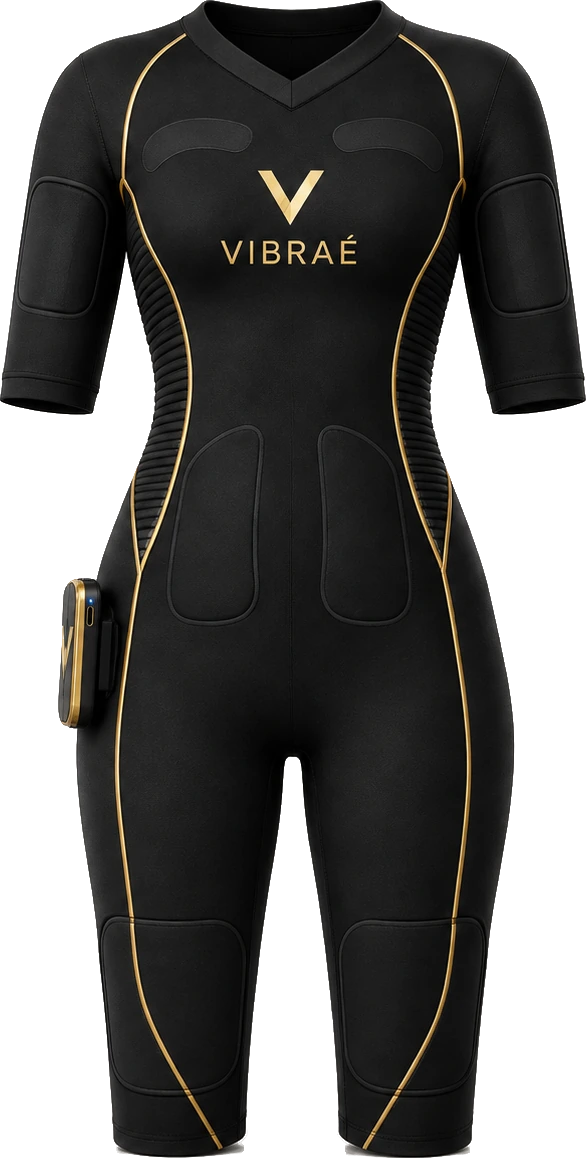
For years many patients with hypertension have heard the categorical statement: “with hypertension, EMS training is absolutely forbidden”. Meanwhile cardiology and hypertension guidelines stress that movement is one of the key elements in treating hypertension, not something to be avoided by definition.
Updated: 14 September 2026
The aim of this article is to set out the facts: what hypertension is, what its main causes are, what the research tells us about the effect of whole-body training using electrical muscle stimulation (WB-EMS) on blood pressure, and under what conditions EMS can be a safe and sensible tool for working with someone who has hypertension.
Contents:
Arterial hypertension – the basics worth remembering
Arterial hypertension is a condition in which blood pressure values remain chronically above the ranges considered normal. According to the current European guidelines from 2024, a diagnosis of hypertension is based on repeated measurements taken under standardised conditions (office, home or 24-hour measurement).
Two main categories are distinguished:
- Primary (essential) hypertension– affects the vast majority of patients. There is no single, clear-cut cause; it results from the interplay of genetic predisposition and environmental factors: excessive sodium intake, overweight and obesity, a sedentary lifestyle, chronic stress, sleep disorders, a poor diet, smoking and excessive alcohol consumption.
- Secondary hypertension– is the consequence of another identifiable medical problem, e.g. kidney disease, certain hormonal disorders, renal artery stenosis or the action of particular medicines.
In clinical practice, one more observation is very important:
hypertension most often coexists with overweight or obesity and metabolic syndrome. People with this health profile usually:
- have a low level of daily physical activity,
- have poor fitness and endurance,
- often report pain in the musculoskeletal system (joints, spine).
This is a completely different situation from hypertension in someone who is trained, sporting and tolerates effort well. That context is crucial for choosing the form of training, EMS included.
The role of movement in treating hypertension
Current guidelines clearly stress that treating hypertension involves not only pharmacotherapy but also lifestyle modification. This includes:
- weight loss in people who are overweight and obese,
- reducing salt and alcohol intake,
- giving up smoking,
- improved sleep quality,
- regular physical activity– both aerobic effort (e.g. walking, cycling) and resistance (strength) exercise.
It is the lack of movement and a sedentary lifestyle that are among the most important risk factors for developing hypertension and its complications, not the fact of taking exercise as such.
Physical effort causes a temporary rise in blood pressure, which is a physiological reaction. In people with well-controlled hypertension this rise is acceptable, provided that:
- the intensity of the effort is suitably chosen,
- general health and coexisting conditions are taken into account,
- activity is introduced gradually, under supervision and in line with medical advice.
What is WB-EMS and how does it work from a cardiovascular perspective?
Electrical muscle stimulation (EMS)is a method in which controlled electrical impulses with defined parameters are applied to the skeletal muscles, causing them to contract.
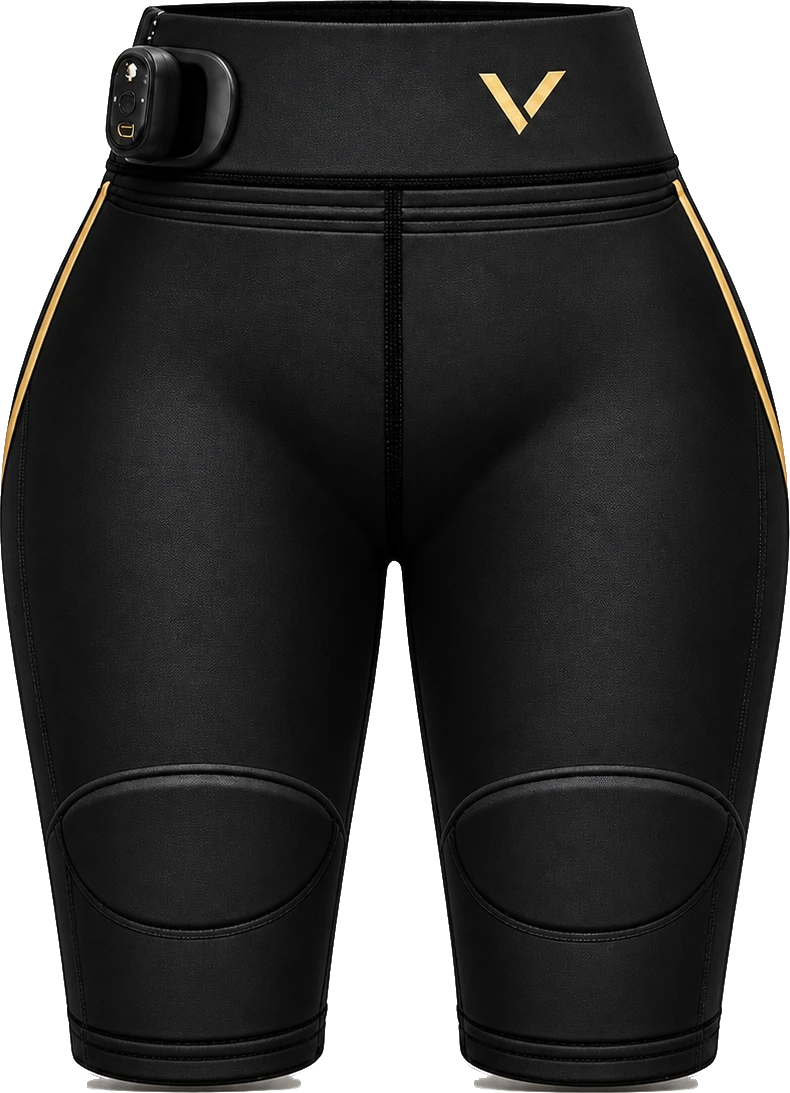
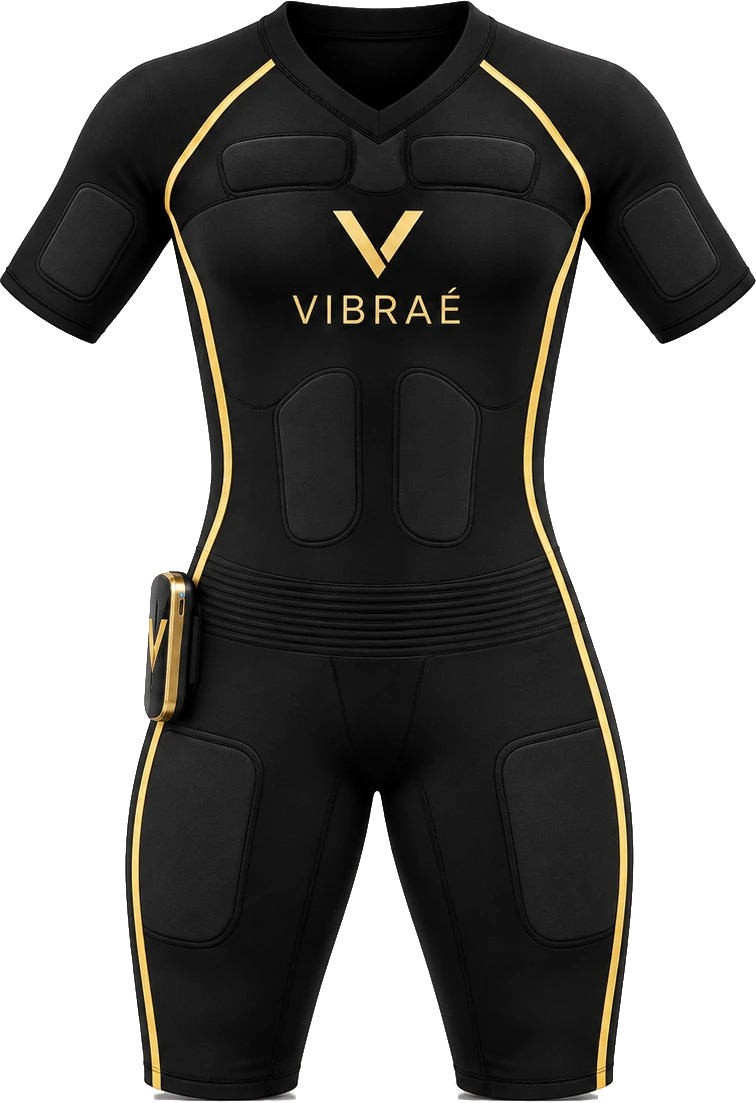
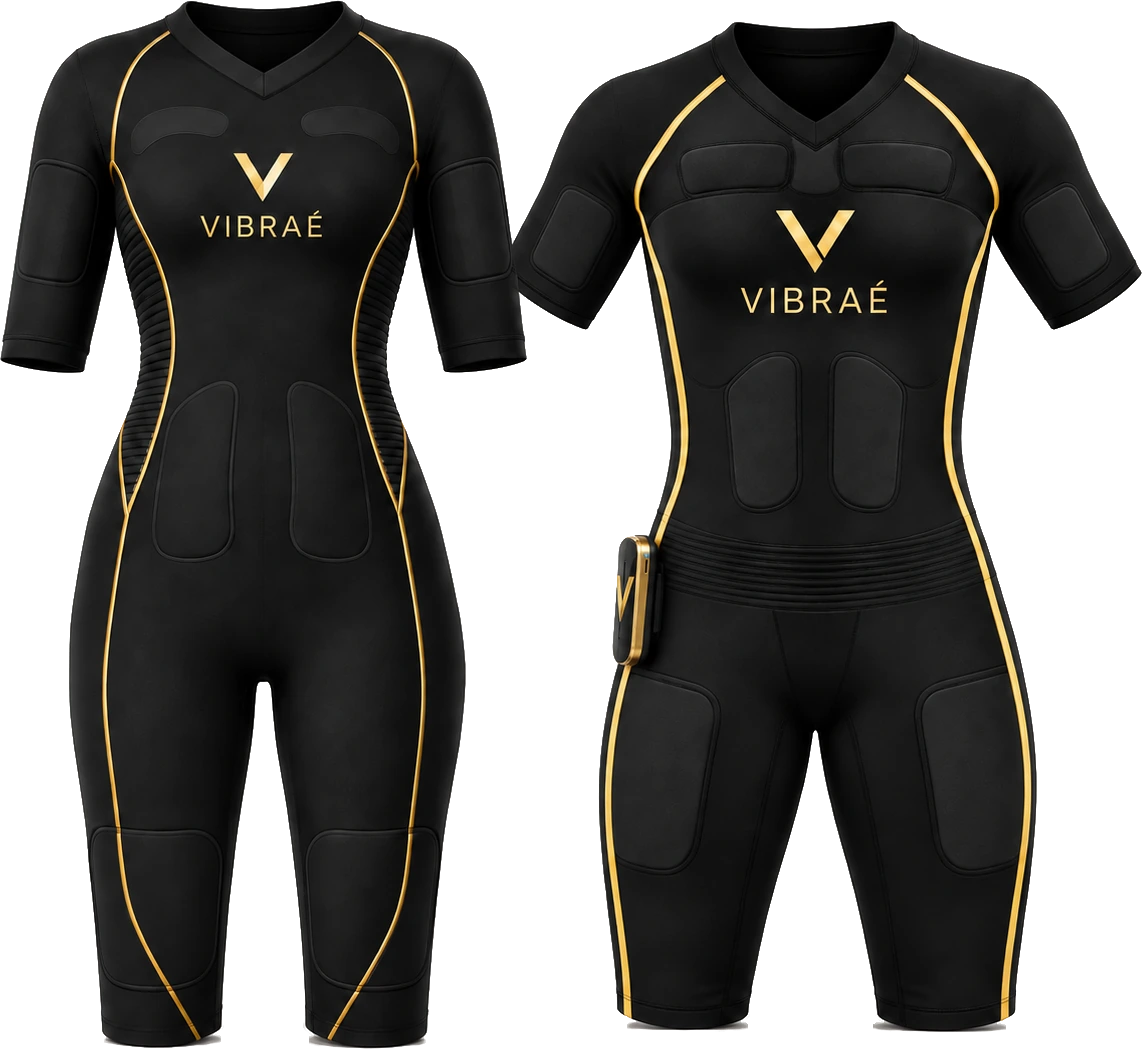
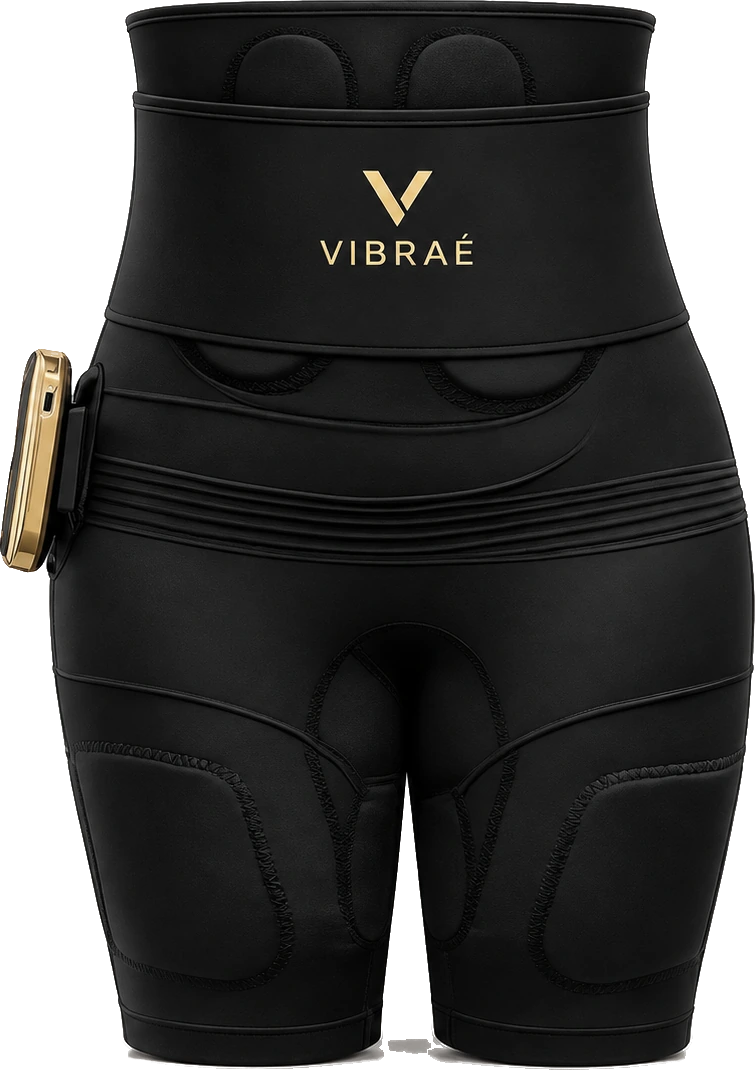
In the versionWB-EMS (whole-body EMS)the special suit contains many electrodes, allowing most of the large muscle groups to be stimulated at once. While the impulses are running, the person performs planned exercises (e.g. squats, lunges, arm movements) or holds set positions.
International guidelines on WB-EMS highlight several important features of this form of training:
- the session is short (usually 15–25 minutes),
- joint loading can be low, because there is no need to use heavy external weights,
- the stimulation is highly effective, so if used incorrectly it can be too intense for an untrained person.
It is precisely the potential to generate a strong muscular response in the absence of proper adaptation that led many countries to introduce detailed WB-EMS safety standards. These include, among other things, a warning about untreated arterial hypertension as a condition requiring prior medical consultation.
In practice, that caution is sometimes reduced to the statement that „hypertension and EMS are mutually exclusive”. It is worth looking at what the research says on the subject.
How does blood pressure respond to a single WB-EMS session?
One of the most important studies in this area is the FrEMAP pilot (Franconian EMS and Arterial Blood Pressure Study) published in 2024.
It involved 25 overweight people aged 40–70, of whom 13 had diagnosed arterial hypertension (most of them treated). Participants performed a standard WB-EMS session:
- 20 minutes,
- stimulation with impulses at commercially used parameters,
- alternating phases of tension and rest,
- simple exercises with no additional heavy load.
Mean arterial pressure (MAP) and heart rate were monitored before, during and after the session.
The most important observations:
- a moderate rise in blood pressure appeared as early as the move from sitting to standing, before stimulation even began – which is a typical, physiological response to a change of position,
- during a 20-minute WB-EMS session, mean arterial pressure remained stable or changed only slightly,
- the maximum pressure values recorded were comparable to those seen with other moderate forms of activity in people with hypertension,
- no significant differences in blood pressure and heart rate response were shown between people with hypertension and those with normal values.
The study authors concluded that in the population studieda standard WB-EMS session did not cause a dangerous rise in blood pressure, andtreated hypertension should not be regarded as a barrier to using WB-EMS in this age group.
Other work analysing the acute response to WB-EMS training in overweight and obese people has likewise observed stable or only slight changes in blood pressure and heart rate during the session, with suitably chosen stimulation parameters and simple exercises.
EMS and hypertension in the longer term
From the point of view of someone with hypertension, what matters most is whether a given type of training:
- improves or worsens blood pressure values over the longer term,
- has a beneficial effect on body weight, body composition and other components of cardiovascular risk,
- can realistically be sustained over time.
Women with obesity and metabolic syndrome
In a study by Reljic and colleagues (2020), 29 women with obesity and metabolic syndrome were assigned to two groups: a calorie-deficit diet, and a deficit diet + WB-EMS training (2 × 20 minutes a week).
After 12 weeks the WB-EMS group achieved:
- greater reduction of body fat,
- a clear increase in muscle strength,
- an improvement in the overall metabolic syndrome index,
- no significant adverse effects and good tolerance of the programme.
It is worth stressing that this is precisely the population in which hypertension is very common: people with obesity, low activity levels and many coexisting risk factors.
Premenopausal women with excess weight
In a study by Willert and colleagues (2024), overweight women were assigned to three strategies: diet alone, diet + increased daily activity, and diet + activity + WB-EMS (an average of 1.5 sessions a week of 20 minutes each).
After the intervention ended:
- a significant drop in mean arterial pressure was observed only in the group with WB-EMS added,
- the overall metabolic syndrome index improved only in that group,
- attendance was highest precisely in the WB-EMS group.
Meta-analyses and other studies of people at risk of metabolic syndrome confirm that WB-EMS, included in a lifestyle modification programme, canimprove body composition and selected cardiometabolic parameters, including mean arterial pressure.
A person with hypertension in EMS studio practice
It is worth clearly separating two profiles:
- A typical client with hypertension in an EMS studio
This is most often someone who is overweight or obese, with low physical activity, poor fitness and frequently co-occurring metabolic syndrome. Here the key points are:- very careful dosing of the load,
- a choice of simple exercises with little mechanical load,
- gradually raising the intensity of the impulse stimulation,
- close supervision and monitoring of how the person feels.
- A well-trained person with diagnosed hypertension
In such patients, overall exercise tolerance is usually higher. Training can be more intense, but it should still take into account:- the current recommendations of the treating physician,
- resting blood pressure values,
- the presence or absence of organ complications (e.g. left ventricular hypertrophy, coronary artery disease).
In both cases, one thing remains the common denominator:hypertension must be diagnosed and treated, and EMS training should be run to a plan, under the supervision of a competent specialist.
EMS safety standards in hypertension
The international consensus on WB-EMS recommends that:
- carry out a thorough health interview before starting the programme,
- distinguish absolute contraindications (e.g. untreated, severe hypertension, recent heart attack, unstable coronary artery disease) from relative ones,
- run training 1:1 or at most 1:2,
- start at moderate stimulation intensity and increase it gradually,
- document the course of the session and any worrying symptoms.
Where secondary hypertension is suspected or the course of the disease is unstable, cooperation with a doctor is essential. EMS will not replace diagnosis or treatment of the underlying cause here.
EMS as part of comprehensive treatment, not a stand-alone therapy
It is important to stress thatWB-EMS is not a stand-alone treatment for arterial hypertension. What it is, however:
- a form of resistance training with a specific profile,
- a tool that can help increase muscle strength and improve body composition,
- a solution that is particularly useful in people with overweight, obesity, joint pain and low tolerance of classic training.
The best results in the context of hypertension are achieved when EMS is part of a broader plan:
- pharmacotherapy in line with the guidelines,
- normalising body weight,
- changes to eating habits,
- improving sleep and reducing stress,
- increasing daily activity (e.g. walking, cycling, stairs instead of the lift).
Conclusions
The scientific data available today and the current guidelines lead to a consistent conclusion:
- In people with treated, stable arterial hypertension, professionally supervised WB-EMS training can be a safe and justified form of physical activity.
- This applies in particular to patients who are overweight, obese or have metabolic syndrome, for whom traditional forms of training are difficult to introduce or too demanding on the joints.
- Untreated, unstable hypertension and recent cardiovascular complications remain a contraindicationfor EMS training and require prior medical assessment.
Safety is decided not by the technology itself but by the way it is used: the quality of screening, sensible programming of loads and the competence of the people running the training. Under conditions set up in that way, EMS is not a threat to someone with controlled hypertension – it can become one of the tools that support the treatment process.
References
- Williams B, et al. 2018 Practice Guidelines for the management of arterial hypertension. Blood Press. 2018.
- 2024 ESC Guidelines for the management of elevated blood pressure and hypertension. European Society of Cardiology.
- Prejbisz A, et al. Guidelines for the management of hypertension in Poland 2024 — the position of the Polish Society of Hypertension/Polish Cardiac Society Experts. Arterial Hypertension. 2024.
- Kemmler W, et al. Effects of whole-body electromyostimulation with different impulse intensity on blood pressure changes in hyper- and normotensive overweight people. A pilot study (FrEMAP). Front Physiol. 2024;15:1349750.
- Reljic D, et al. Whole-body electromyostimulation as a training modality for obese women with metabolic syndrome – a pilot randomized controlled trial. J Physiol Pharmacol. 2020;71(1):57–67.
- Willert S, et al. Effects of Whole-Body Electromyostimulation and lifestyle modifications on the metabolic syndrome in premenopausal overweight women. A randomized controlled trial. Dtsch Z Sportmed. 2024;75:72–78.
- Bellia A, et al. Whole-body electromyostimulation plus caloric restriction in metabolic syndrome. Int J Sports Med. 2020.
- Guretzki E, et al. Effects of Whole-Body Electromyostimulation on Metabolic Syndrome: A systematic review and meta-analysis. Sensors. 2024.
- Kemmler W, et al. Position statement and updated international guideline for safe and effective whole-body electromyostimulation training. Front Physiol. 2023;14:1174103.
- Kemmler W, et al. Whole-body electromyostimulation – rationale and guideline for a safe and effective training. Dtsch Z Sportmed. 2016;67(9):218–221.
- Shojaa M, et al. Efficacy of Whole-Body Electromyostimulation (WB-EMS) on body composition and muscle strength in non-athletic adults: a systematic review and meta-analysis. Front Physiol. 2021;12:640657.