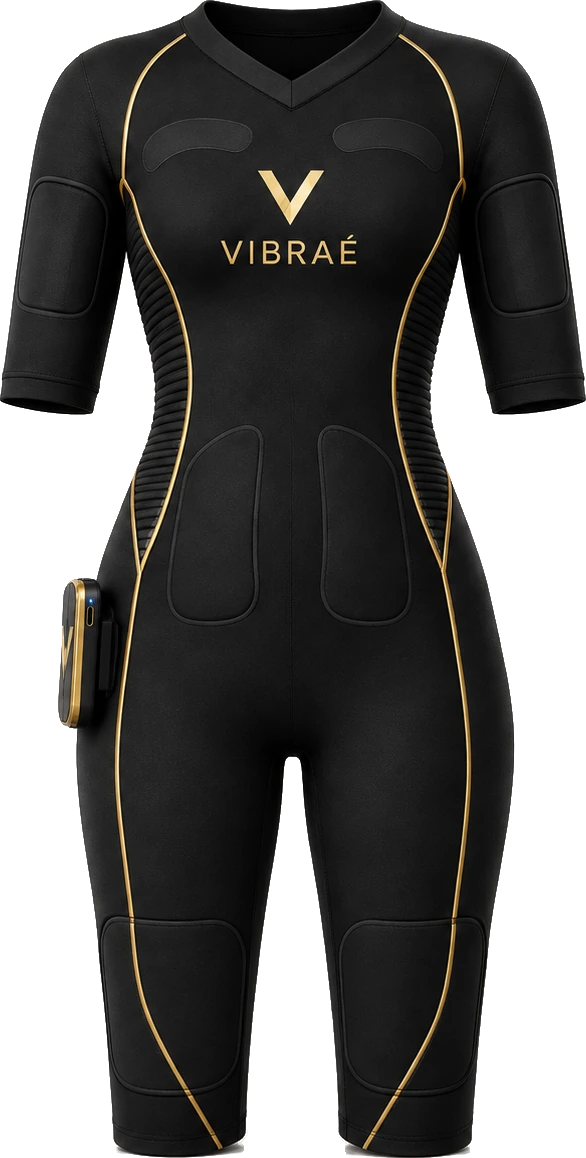
The biggest difference between a studio session and training at home is not the equipment. It is who decides on the intensity. In a studio the trainer does it, watching from the side. At home it is done by the person who is performing the exercise at that very moment — and who cannot see themselves from the side.
Updated: 21 September 2026
The aim of this text is to close that gap: how many sessions a week make sense and why exactly that many, how to judge intensity without a trainer's panel, what a sensible plan for the first twelve weeks looks like and how to tell that the body is not keeping up with the load.
How often to train — the short answer
| Stage | Sessions per week | Intensity (scale 0–10) | Operating time |
|---|---|---|---|
| Weeks 1–2 | 2 | 3–4 | 10–15 min |
| Weeks 3–6 | 2–3 | 4–5 | 15–20 min |
| Weeks 7–12 | 2–3 | 5–6 | 20–30 min |
| After that | 2–3 | depending on the plan and recovery | 20–30 min |
The number of sessions stays within the same range throughout. With the weeks it is the intensity and the length of the work that increase, not the frequency — and that is the difference between progression and overtraining.
Dlaczego EMS wymaga dni przerwy
The stimulation covers many muscle groups at once, including those that do little work in everyday movement. Adaptation — the gain in strength and the remodelling of fibres — happens during recovery, not during the session itself. Intense stimulation also causes a temporary rise in the concentration of creatine kinase in the blood, the higher the less the body is prepared for the stimulus. That is why international guidelines (Kemmler et al., 2023) recommend limited intensity in the first sessions and longer breaks at the start of working with the method.
In practice this means at least one day's break between sessions, and in the first two weeks — two. The next workout is done once the soreness from the previous one has passed.
Where the conflicting recommendations come from
Some studios talk about one session a week, others about three. Both answers can be correct, because they refer to different intensities. A strong strength programme run close to the tolerance limit requires a longer break than a calm session at a lower setting or a recovery programme. In home training, where nobody corrects the settings from outside, the moderate variant is safer: medium intensity, work spread over two or three shorter sessions.
Ile trwa sesja
A standard session is 20–30 minutes of actual work, but not from the first workout: the first sessions last 10–15 minutes, and the first minutes of each are used solely to calibrate sensations at the lowest setting.
Programmes differ in character. A strength programme is short series of contractions separated by pauses. Recovery programmes — massage, lymphatic drainage — feel completely different: calmer, without strong contractions. They are not combined into one long unit, and the total stimulation time should not exceed 30 minutes a day.
How to judge the intensity without a trainer: the 0–10 sensation scale
What is judged is not the number on the screen but what is happening in the muscle.
| Rating | Odczucie | When |
|---|---|---|
| 0–2 | mrowienie, skurcz ledwo wyczuwalny | the first minutes of every session |
| 3–4 | a clear contraction, full comfort | pierwsze tygodnie |
| 5–6 | strongly, but the movement and the breathing remain under control | after several weeks of regular sessions |
| 7–8 | very strong, the movement demands full concentration | not at the start; only with good recovery |
| 9–10 | unpleasant, at the limit of tolerance | nigdy |
The intensity is set separately for each area. Thighs and glutes usually tolerate considerably more than the abdomen, arms or lower back, so different values in different zones are the norm, not an error. After a few minutes of work the same setting may feel stronger — at that point you do not raise the intensity, you check whether the rating has not exceeded the planned level.
Plan pierwszych 12 tygodni
| Weeks | Sesje | Intensity | Operating time | What to focus on |
|---|---|---|---|---|
| 1–2 | 2 | 3–4 | 10–15 min | getting to know the stimulus; at least 2 days' break between sessions |
| 3–4 | 2 | 4 | 15 min | adding simple exercises in the contraction phase |
| 5–6 | 2–3 | 4–5 | 15–20 min | a third session only if the soreness passes before the next workout |
| 7–8 | 2–3 | 5 | 20 min | raising the intensity by one level, muscle group by muscle group |
| 9–10 | 2–3 | 5–6 | 20–25 min | one session a week can be a recovery programme |
| 11–12 | 2–3 | 6 | 25–30 min | a comparison of the measurements and photographs from the first week |
The plan is not a timetable you have to catch up with. If muscle soreness lasts longer than two days, the stage is repeated for another week. After a break — a holiday, an illness — you return one or two stages lower, not where you left off.
A session step by step
Before the session
- A light meal 1.5–2 hours beforehand; neither on an empty stomach nor straight after a heavy meal.
- A glass or two of water about half an hour before the workout.
- No sessions after alcohol, during an infection or with a fever.
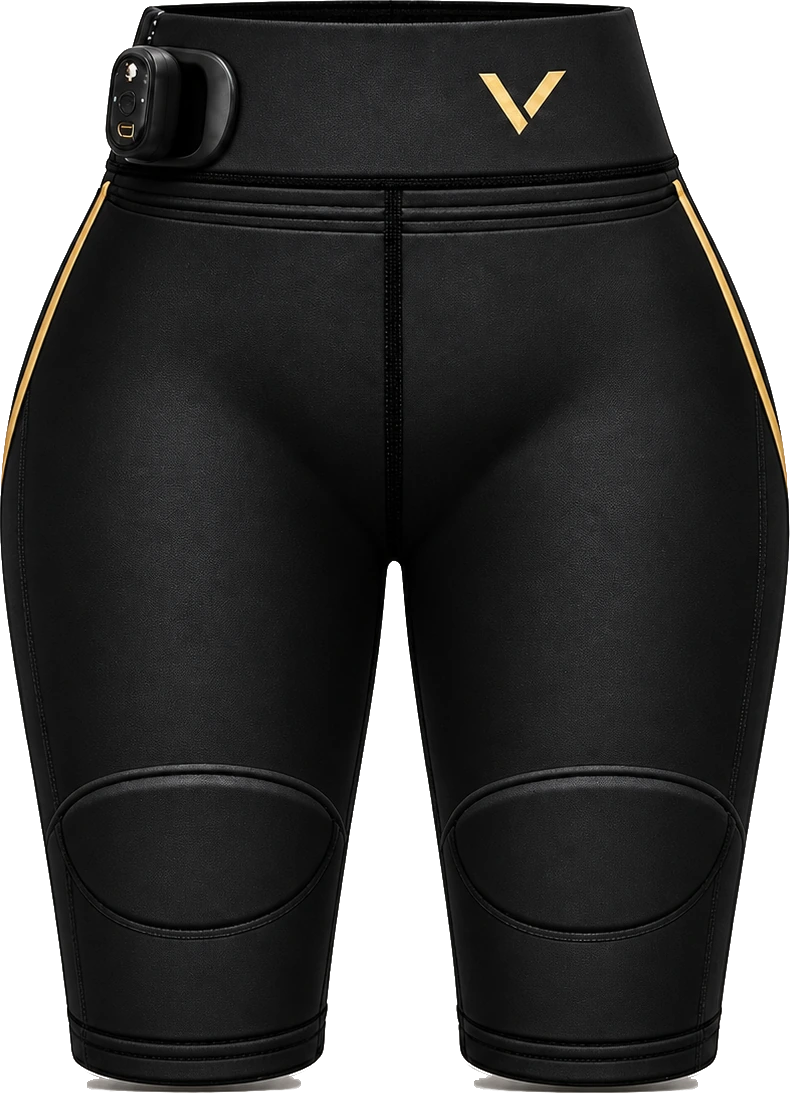
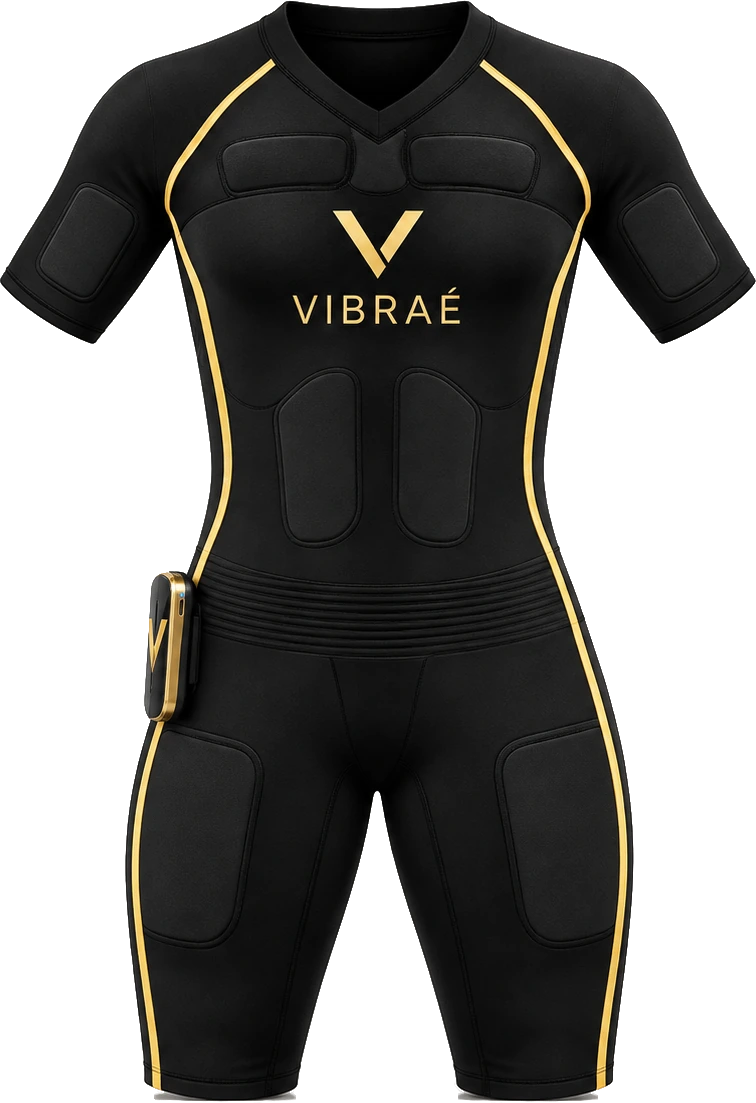
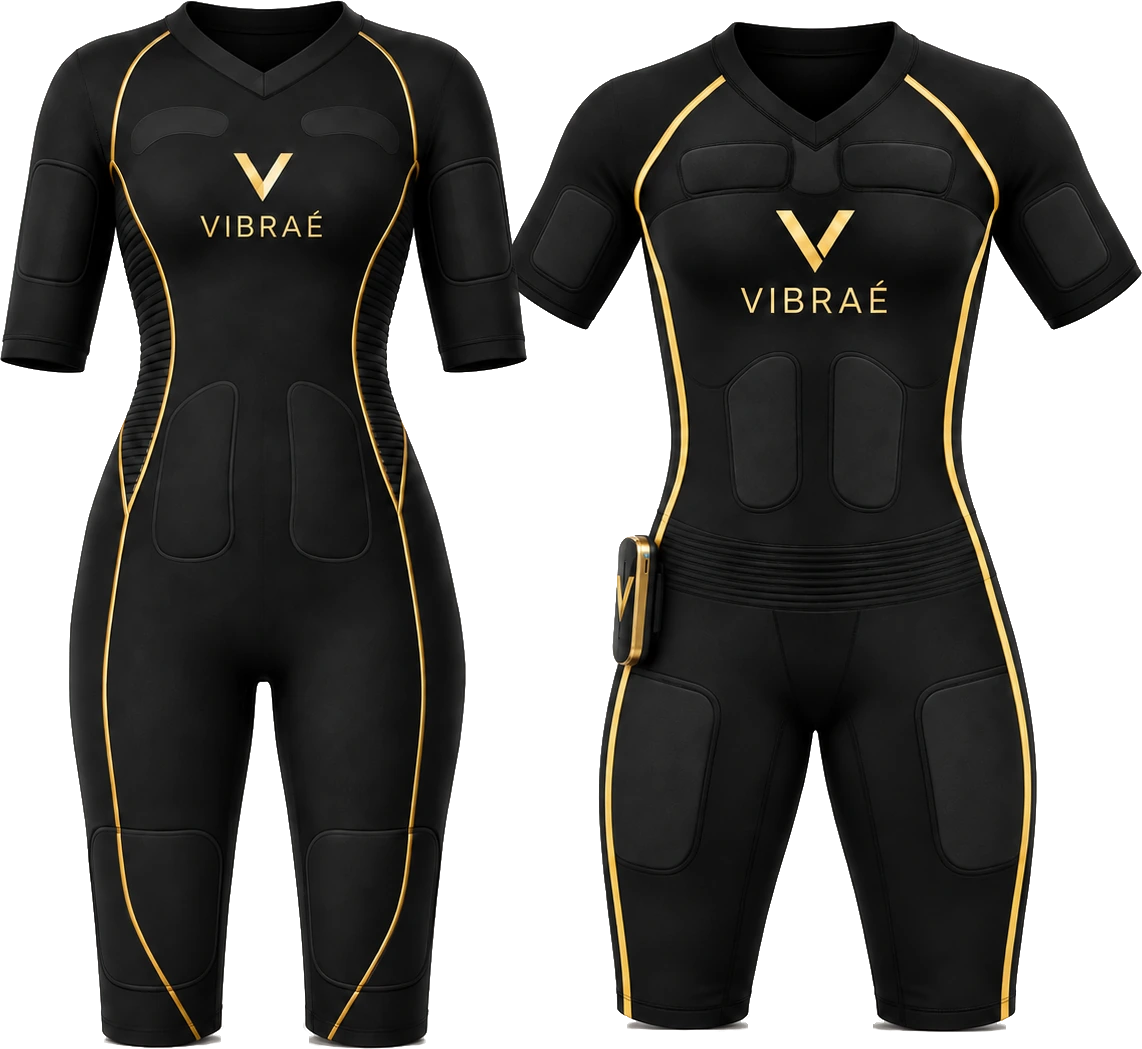
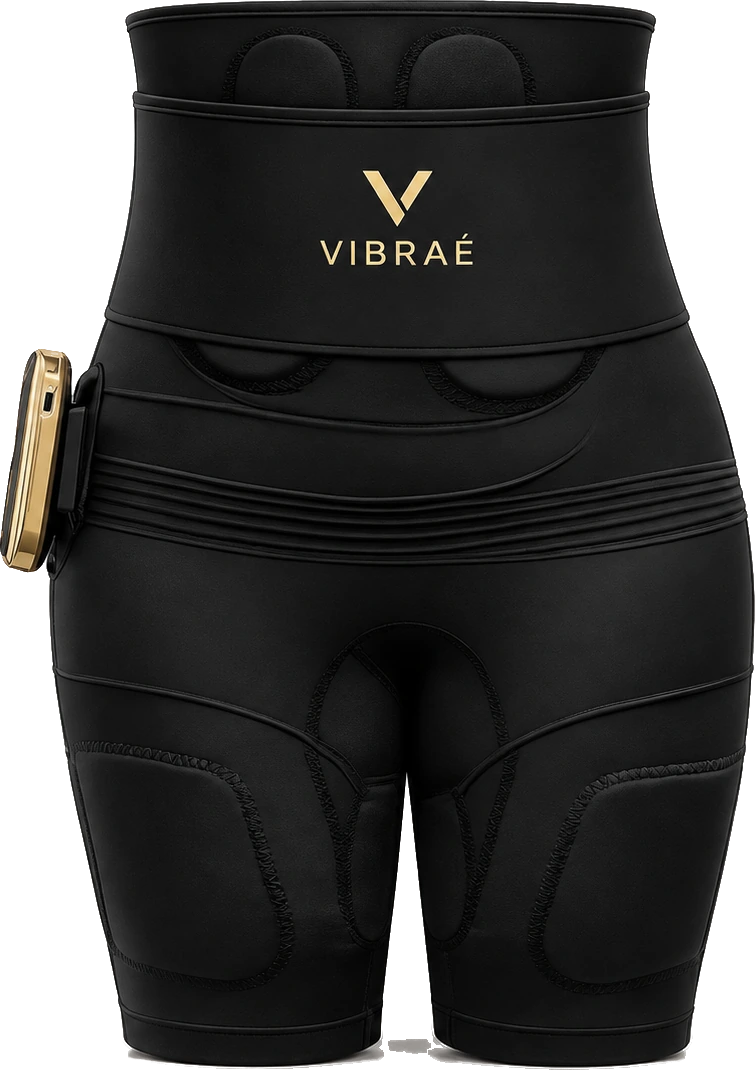
- The suit on dry skin or thin underwear, the belt fastened so that the electrodes lie flat.
- The controller charged, clipped into the suit and connected to the app.
During
- The programme from the plan for that day, or a ready programme from the library.
- The intensity raised slowly, group by group, from the lowest setting.
- In the contraction phase, simple exercises: a squat, a lunge, a high plank, the dead bug (lying on your back, lowering the opposite arm and leg alternately), a hip bridge.
- During the break, calm breathing and a return to the starting position.
- A group that becomes unpleasant gets a lower setting. With dizziness, palpitations or pain other than the work of a muscle, the session is stopped.
After the session
- Nawodnienie.
- A few minutes of walking or calm stretching of the legs and the back.
- The controller out, the suit hung up; machine wash up to 30 °C, in a laundry bag, without softener.
- A short note about how you feel. After a few weeks the record says more than memory.
What replaces the trainer
In a studio the trainer watches from the side, keeps an eye on intensity and reminds about breaks. At home two things share that role: the plan in the app and an honest assessment of one's own sensations. The Vibraé system divides these tasks between two apps.
Vibraé Home is responsible for the plan: it matches the programme to the goal, reminds on chosen days, keeps a counter of consecutive weeks, records sessions, measurements and progress, and in the price of the set gives six months of nutrition plans.
Vibraé EMS runs the session itself: 21 programmes and 8 ready treatments, the option to build and save your own sequence, intensity set separately for each muscle group, and the controller timing the work and the breaks even with the phone screen off.
The app suggests what to do and when. The decision about intensity — and about whether to train at all today — stays with the user, and it is that decision that determines whether the first weeks are calm.
How to fit EMS into a week with other training
| Day | Example week |
|---|---|
| Monday | sesja EMS |
| Tuesday | an easy run or a longer walk |
| Wednesday | odpoczynek |
| Thursday | sesja EMS |
| Friday | yoga, stretching, mobility |
| Saturday | an EMS session or the gym — not both hard on the same day |
| Sunday | odpoczynek |
There are three rules: no EMS session the day before a heavy leg workout or the day after it; at least two days without stimulation before a competition or a long run; walking, yoga and stretching do not get in the way of recovery.
Signs of overload
- the muscle soreness does not pass before the next session,
- a drop in strength compared with the previous week,
- worse sleep and persistent fatigue,
- putting off training because it is associated with discomfort.
The response is always the same: lower intensity, an extra day's break or a return to an earlier stage of the plan.
Contact with a doctor is necessary, when after training there is very severe, increasing muscle pain lasting more than three days, swelling and muscle weakness, or dark-coloured urine — the colour of cola or strong tea. These are symptoms that must not be waited out; no training until the consultation. Who should not start at all we described in the article contraindications to EMS training.
Six mistakes that keep recurring at the start
- Too high an intensity in the first session. The sensation during the session does not reflect how hard the muscles worked — the bill arrives over the next two days.
- Training day after day. New equipment tempts you to use it every day. Soreness after three sessions in a row can put you off for weeks.
- One intensity for the whole body. A setting suitable for the thighs is sometimes too high for the abdomen and the arms.
- A suit that's too loose. When the electrodes do not lie flat, the stimulus in that zone weakens, and the reflex is to raise the power. First check the size and the belt.
- A lack of hydration and training on an empty stomach. The simplest route to feeling worse during and after the session.
- Trying to make up for missed sessions. After a week without training you do not come back with two sessions in a row at the previous intensity.
How to check whether the plan is working
Body weight in the first weeks is a poor measure. Every four weeks, at the same time of day, it is worth noting down:
- measurements — the waist, the hips, the thighs, the arm, measured in the same places,
- photos — from the front, side and back, in the same light and clothing,
- a simple strength test — the number of calm squats in a minute or the time a plank is held,
- how you feel — the quality of sleep, the level of energy, tolerance of the sessions.
Measurements and sessions are recorded by the Vibraé Home app, so after twelve weeks the comparison with the starting point is all in one place.
Honestly about the limitations
- The plan is a framework, not a prescription. Tolerance of the stimulus depends on the starting condition, age, sleep and loads outside training.
- Samoocena bywa zawodna. The sensation during a session does not mirror the load on the muscles — which is why under-loading is more sensible than overloading at the start.
- EMS does not replace aerobic effort. Cardiorespiratory fitness requires separate training.
- Regularity is a condition, not an extra. Two sessions a month will not give an effect regardless of the intensity that is set.
Equipment and results
The result is built by consistency counted in weeks and months, not by a single hard session. What to realistically expect and how to measure progress we described in the article EMS training results.
When choosing equipment these texts will help wireless EMS suit and EMS for home — which suit to choose and how much it really costs. The sets are gathered in the category EMS suits, and a description of the system can be found on the page Vibraé Home Edition.
References
- Kemmler W, et al. Position statement and updated international guideline for safe and effective whole-body electromyostimulation training. Front Physiol. 2023;14:1174103.
- Kemmler W, et al. Whole-body electromyostimulation – rationale and guideline for a safe and effective training. Dtsch Z Sportmed. 2016;67(9):218–221.
- Shojaa M, et al. Efficacy of whole-body electromyostimulation (WB-EMS) on body composition and muscle strength in non-athletic adults: a systematic review and meta-analysis. Front Physiol. 2021;12:640657.
How often should you train with EMS at home?
Two to three sessions a week, with at least one rest day between them, and two in the first fortnight. The number of sessions does not grow over time — what grows is the intensity and the length of the work.
How long should an EMS session last?
Normally 20–30 minutes of actual work, but the first sessions 10–15 minutes. The total stimulation time should not exceed 30 minutes a day, and strength and recovery programmes are not combined into one unit.
How to set the power without a trainer?
By the sensation in the muscle, on a scale of 0–10: 3–4 in the first weeks, 5–6 after several weeks of regular sessions. A level of 9–10 is never used. The intensity is set separately for each muscle group, because the thighs tolerate more than the abdomen or the arms.
Why must there be a day's break between EMS sessions?
Muscle adaptation takes place during recovery, and intense stimulation causes a temporary rise in creatine kinase levels. International guidelines recommend limited intensity in the first sessions and longer breaks at the start of working with the method.
Can EMS be combined with the gym and running?
Yes, on condition that heavy loads on the same muscles do not pile up day after day. An EMS session is not planned immediately before or after a heavy leg workout, and before a competition at least two days are left without stimulation.
How do you know you are training too often?
Soreness does not subside before the next session, strength drops compared with the previous week, sleep gets worse and training starts to be associated with discomfort. The response is lower intensity, an extra rest day or a return to an earlier stage of the plan.
When do you need to see a doctor after an EMS workout?
When very severe, increasing muscle pain lasting more than three days appears, together with swelling and muscle weakness or dark-coloured urine. Until the consultation, do not train.
How to measure progress when training with EMS at home?
Every four weeks, at the same time of day: circumference of the waist, hips, thigh and arm, photographs from three sides in the same light, a simple strength test, plus sleep quality and energy levels. Body weight is a poor measure in the first weeks.